
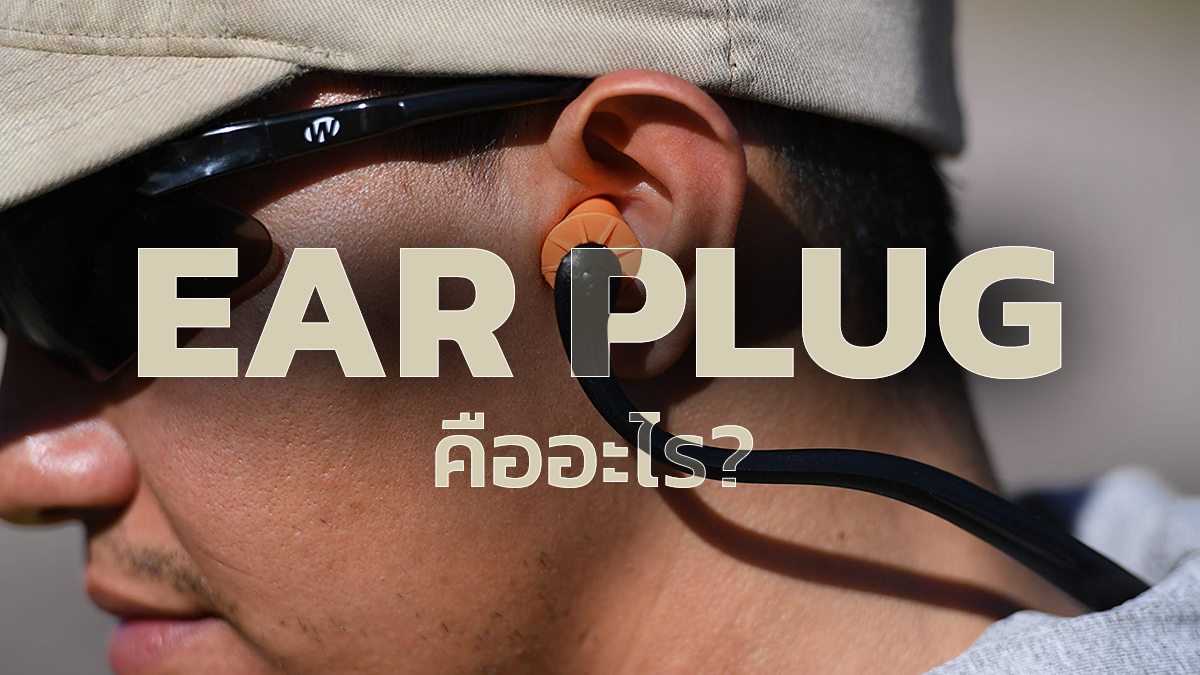
Loud environments present a silent hazard to human health: irreversible noise-induced hearing loss. Among the personal protective equipment (PPE) designed specifically to combat extreme sound levels, Ear Plugs remain one of the most effective, reliable, and accessible solutions.
While many view ear plugs as simple pieces of foam, modern ear plugs are precision-engineered hearing protection tools backed by centuries of history and technological innovation.
What are Ear Plugs?
Ear plugs are passive hearing protection devices inserted directly into the ear canal. They form a secure seal to block, dampen, and reduce dangerous sound levels before hazardous audio energy can damage the delicate structures of the inner ear.

The History and Evolution of Ear Plugs
Ancient Beginnings
The concept of ear protection dates back to ancient times. In ancient Greece and Rome, soldiers, sailors, and citizens used natural materials such as beeswax, cloth, and rolled animal wool to muffle loud noises from battlefields, naval gunnery, and noisy festivals. In the Middle Ages, sailors and artillerymen adopted similar DIY techniques to protect their hearing from explosive blasts.


16th to 19th Century Renaissance & Industrial Growth
During the 16th and 17th centuries, European military forces began using oil-soaked cloth fragments or raw wool to cushion the acoustic shockwaves of heavy artillery. By World War I (1914–1918), military medical officers recorded widespread hearing loss among frontline troops for the first time, driving early efforts to standardized hearing protection beyond rudimentary DIY methods.

World War II: The Modern Birth of Industrial Ear Plugs
During World War II (1939–1945), the U.S. Military faced severe hearing loss statistics among artillery crews, machine gunners, and airfield personnel exposed to noise levels between 120 and 150 decibels (dB).
To address this issue, military physicians and engineers collaborated to develop mass-produced, portable hearing protection. Early models transitioned from natural wax to custom-molded natural rubber and expandable Polyurethane (PU) Foam. These foam plugs expanded within the ear canal to attenuate dangerous impulse noise while allowing soldiers to hear radio commands—marking the first time ear plugs became standard military issue.


The Vietnam Era to Modern Industrial Safety Standards (1960s–2000s)
During the Vietnam War (1960–1975), military medical units introduced contoured synthetic rubber ear plugs for improved comfort and seal. Elite units—including SWAT, Navy SEALs, and EOD technicians—adopted these enhanced designs.
Following the Vietnam War, the rapid growth of manufacturing, mining, aerospace, and heavy industry created high-noise environments often exceeding safe limits (90–120 dB). In response, regulatory agencies like OSHA (Occupational Safety and Health Administration) in the United States established strict workplace noise safety standards, establishing ear plugs as mandatory safety equipment across global industries.


Types of Ear Plugs
- Foam Ear Plugs (Polyurethane Foam): Expandable, cost-effective, and disposable. Modern high-density PU foam provides superior noise reduction and comfort for single-use environments.
- Reusable Silicone / Rubber Ear Plugs: Washable and reusable contoured plugs equipped with flexible flanges. They provide a reliable seal and long-term cost efficiency for industrial applications.
- Corded Ear Plugs: Feature a connecting cord to hang around the neck when not in use, making them ideal for workers who frequently insert and remove their ear protection in factories, logistics hubs, or airports.
- Banded Ear Plugs: Feature a flexible headband that keeps the ear tips ready for instant insertion and removal, providing convenience during intermittent noise exposure.
Today, leading tactical and safety brands like Walker's, SureFire, 3M, and Peltor engineer high-performance ear plugs for military operations, shooting sports, aviation, concerts, motor racing, and everyday noise reduction.


Step-by-Step Guide: How to Wear Ear Plugs Correctly
Proper insertion directly impacts noise reduction performance by 50% to 70%. Studies by NIOSH and OSHA indicate that over 60% of users insert foam ear plugs incorrectly, leading to sound leakage and compromised hearing safety.

How to Insert Foam Ear Plugs
- Roll and Compress: Using clean thumb and fingers, roll the foam plug into a tight, thin, crease-free cylinder (resembling a slim pencil shape). Do not fold or pinch the foam.
- Straighten the Ear Canal: Reach over your head with your opposite hand, pull your outer ear upward and outward to open and straighten the ear canal.
- Insert Deeply: Gently slide the compressed foam plug into the ear canal until only a small portion remains visible for removal.
- Hold and Expand: Hold the plug in place with your fingertip for 30 seconds while the foam fully expands to form an airtight seal. Test the fit by clapping your hands or speaking; sounds should sound soft and muffled.
Foam Ear Plug Removal & Maintenance
- Gently twist the ear plug to break the seal, then pull it out slowly. Do not yank the cord.
- Dispose of dirty, damaged, or expanded foam plugs. Replace disposable foam plugs daily to prevent ear canal infections.

How to Insert Reusable Rubber / Silicone Flanged Ear Plugs
- Inspect: Ensure both the ear plug and your ear canal are clean.
- Align: Reach over your head and pull the ear upward and back to straighten the canal.
- Insert and Seal: Gently push the flanged plug into the ear canal until all flanges rest snugly inside the opening, forming a complete seal.
- Comfort Check: Ensure the plug sits securely without causing sharp pain or discomfort.
Rubber Ear Plug Removal & Maintenance
- Grasp the stem of the plug and gently rotate it while pulling outward.
- Wash reusable silicone plugs with mild soap and warm water, then allow them to air dry completely before storing in a clean case.
Why Properly Fitted Ear Plugs Outperform Active Noise Cancelling (ANC) Headphones
While Active Noise Cancelling (ANC) headphones are popular for ambient electronic noise, properly fitted passive ear plugs offer critical advantages in high-noise and tactical environments:
- Superior Decibel Attenuation: Properly inserted passive ear plugs provide an average noise reduction of 30 to 35 dB, compared to 20 to 25 dB offered by standard consumer ANC headphones.
- Effective Impulse Protection: ANC microprocessors cannot process instantaneous impulse noises (such as gunshot blasts or explosions) fast enough, whereas passive ear plugs physically block the high-pressure soundwave from entering the ear canal.
- Zero Acoustic Leakage: Passive ear plugs form a custom physical seal inside the ear canal, eliminating acoustic gaps often caused by eyewear stems or head movement when wearing over-ear ANC headphones.
- Lightweight & Tactical Ready: Compact ear plugs do not require batteries, add virtually no weight, and integrate seamlessly with tactical helmets, eyewear, and communication systems.
Key Takeaway: An inexpensive, properly inserted foam ear plug delivers significantly better hearing protection against extreme noise than a premium pair of improperly worn headphones.
Walker's Ear Plug Hearing Protection Lineup
Walker's Foam Ear Plugs: Disposable, high-attenuation PU foam designed for maximum noise reduction at shooting ranges and high-decibel industrial sites.

Walker's Reusable Rubber / Silicone Plugs: Washable, multi-flange contoured ear plugs built for all-day comfort and long-term durability.

Walker's Corded Ear Plugs: Equipped with a durable lanyard to prevent loss during field ops or fast-paced industrial work.

Walker's Banded Ear Plugs: Designed with an ergonomic neckband for quick insertion and removal during intermittent noise exposure.

Essential Tips Before Choosing Your Ear Protection
- Check the Noise Reduction Rating (NRR): Always review the NRR rating on the package. For shooting ranges or heavy machinery (above 100 dB), select ear plugs with an NRR rating of 30+ dB.
- Practice Proper Insertion: Incorrect fitting reduces protection by more than half. Always pull the outer ear up and back to align the canal before inserting foam or flanged plugs.
- Maintain Ear Hygiene: Never reuse dirty single-use foam plugs across multiple days, as trapped moisture and debris can cause ear infections. Use washable silicone plugs if you require daily reusable options.
- Consider Tactical Filter Valves: Advanced tactical ear plugs (such as Walker's Pro Series) feature specialized acoustic filter valves that block harmful high-decibel gunshots while allowing ambient environmental sounds and voice communication to pass through clearly.
Equip yourself with genuine, high-performance hearing protection. Explore the full range of tactical ear plugs and hearing gear at Valor Tactical today.
https://www.metmuseum.org/art/collection/search/551968?utm_source=chatgpt.com
https://abilityhearing.com.au/custom-ear-plugs-hearing-protection/
https://www.earjobs.com.au/blogs/news/the-most-bizarre-ear-protection-throughout-history