



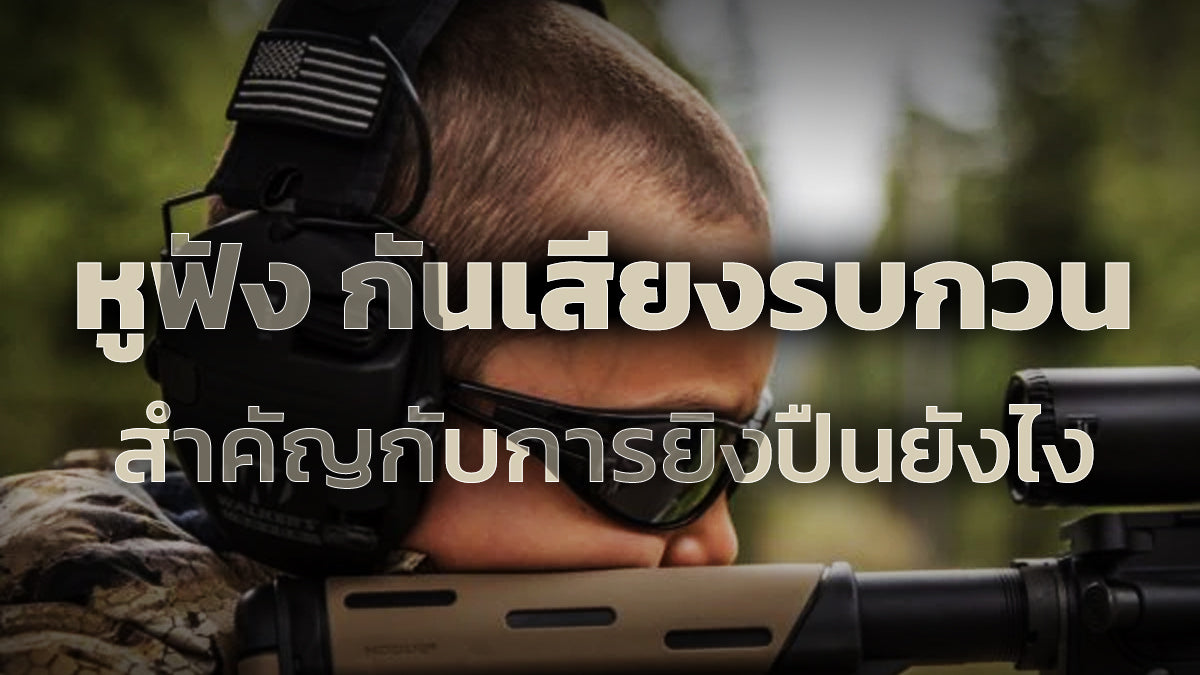
The roaring thunder of gunfire on shooting ranges or battlefields is a familiar sound in media, but in real life, exposure to gunshot noise poses a severe and immediate threat to your auditory system. Shooting hearing protection—whether in the form of noise-canceling headsets, electronic earmuffs, or earplugs—is an absolute safety essential for shooters, hunters, and military personnel.
Why is hearing protection so crucial, and what happens to your long-term hearing health if you shoot without it? This guide covers the science of acoustic trauma and how to choose the right ear protection.
How Loud Is a Gunshot? Understanding Decibels and Hearing Damage
To understand the risks, we first look at decibels (dB)—the logarithmic unit used to measure sound intensity:
- Safe Exposure Threshold: Sounds under 80 dB are safe for extended listening. Continuous exposure to sounds at or above 85 dB can begin to damage the delicate inner ear structures over time.
- Vulnerability in Children: Children's ear canals and auditory tissues are softer and more fragile than adults', making them significantly more susceptible to eardrum rupture and acoustic trauma when exposed to loud impulse noises.

To put gunshot noise into perspective, compare it with everyday sounds:
- Normal Conversation: ~30–60 dB
- Lawnmower: ~70–90 dB
- Rock Concert: ~100–120 dB
- Jet Engine at Takeoff: ~120–140 dB
- Gunshot Impulse Noise:~130–170+ dB
A single gunshot is louder than a jet taking off nearby. Depending on the firearm caliber, barrel length, and ammunition type, sound levels easily range from 130 dB to well over 170 dB. Being in close proximity to a muzzle blast exposes your ears to catastrophic peak noise levels, leading to two major types of permanent ear damage:
- Permanent Noise-Induced Hearing Loss (NIHL): The delicate hair cells (cilia) inside the cochlea are crushed by peak acoustic waves. Once destroyed, these hair cells cannot regenerate, resulting in permanent, irreversible hearing loss.
- Tinnitus: Acoustic trauma can trigger constant ringing, buzzing, or hissing sounds in the ears. While tinnitus can sometimes be temporary, it frequently becomes a lifelong condition that disrupts daily focus and sleep.
Wearing proper shooting hearing protection dampens these peak impulse noises down to safe decibel levels, preserving your hearing health.
Types of Shooting Hearing Protection: Which Should You Choose?
Shooting ear protection is categorized into three primary types, each serving specific operational environments and safety requirements:
1. Earplugs (In-Ear Protection)
Earplugs are inserted directly into the ear canal and are available in disposable foam or reusable molded silicone formats.
- Pros: Compact, lightweight, highly portable, budget-friendly, and non-intrusive when establishing a cheek weld on rifle stocks. Ideal for field duty for military and law enforcement personnel.
- Cons: Lower overall Noise Reduction Rating (NRR) compared to full earmuffs if inserted improperly; does not cover surrounding cranial bone conduction.

2. Passive Earmuffs (Over-Ear Protection)
Passive earmuffs feature large ear cups lined with sound-dampening acoustic foam to physically block out external noise.
- Pros: Easy to put on/take off, comfortable, low maintenance (no batteries required), and offers consistent noise attenuation for indoor range practice.
- Cons: Can feel bulky and occasionally interfere with rifle stock alignment while aiming. Block out all ambient noise, making spoken communication difficult without removing the muffs.
3. Electronic Shooting Earmuffs (Active Hearing Protection)
Electronic earmuffs are the top choice for modern tactical shooters and range officers. They utilize built-in directional microphones and internal digital circuitry to amplify ambient environmental sounds (such as voices, range commands, and footfalls) while instantly compressing or clipping harmful gunshot impulses over 82–85 dB.
- Pros: Allows clear communication and full situational awareness on the range without removing your ear protection. Ideal for tactical shooters, artillery personnel, and competitive sports shooters.
- Cons: Higher price point than passive gear and requires battery power.
Protect Your Hearing Before It's Too Late
Hearing loss is permanent once inner ear hair cells are damaged, medical treatment cannot restore them. Investing in quality hearing protection costs a fraction of long-term medical care, hearing aids, and auditory therapies. Before picking up a firearm for your next range session, ensure high-grade hearing protection is part of your essential kit. Safety always comes first.
At Valor Tactical Store, we prioritize shooter safety by offering a comprehensive line of certified shooting hearing protection:
- Disposable & Reusable Earplugs: Compact, high-NRR foam and ergonomic silicone earplugs.
- Passive Range Earmuffs: Comfortable, high-attenuation over-ear headsets.
- Electronic Tactical Earmuffs: Active noise-canceling headsets with ambient amplification for maximum situational awareness.
Shop in-person at our retail store locations or order online through the Valor Tactical Store website with free nationwide delivery across Thailand.
Further Reading
- Why 5.11 Tactical? Why Is It So Popular in Thailand?
- Salomon Quest 4D GTX Review: A Must-Have Boot for Hikers
- Can Civilians Own Guns? Firearm Permits and How to Carry legally


