



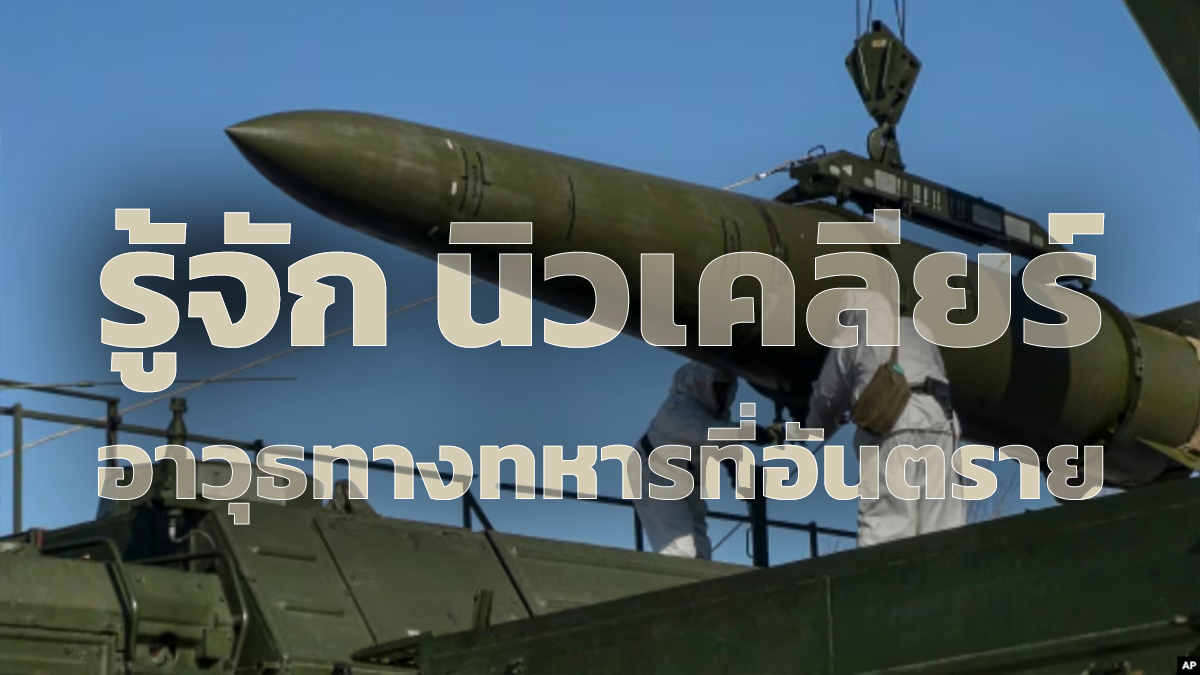
Amid global political tensions and escalating conflicts, the threat of high-impact warfare remains a critical discussion worldwide. Historical precedents demonstrate the terrifying reality of nuclear warfare—an existential threat to all living organisms and the environment.
This comprehensive guide explores what nuclear weapons are, which nations currently possess them, their catastrophic historical impact, and why they remain the most dangerous military technology in human history.
What is a Nuclear Weapon?
A nuclear weapon is a high-yield explosive device that derives its destructive force from nuclear reactions. Generating power thousands to millions of times greater than conventional explosives, nuclear weapons are categorized into two primary types based on their underlying physics:
- Nuclear Fission (Atomic Bomb): Powered by the splitting of heavy atomic nuclei, such as Uranium-235 or Plutonium-239. This reaction forms the basis of early atomic bombs.
- Nuclear Fusion (Thermonuclear / Hydrogen Bomb): Powered by fusing light atomic nuclei, such as hydrogen isotopes. Thermonuclear reactions release significantly more energy than fission alone, serving as the core mechanism for modern hydrogen bombs.

Why Nuclear Weapons Are Far More Dangerous Than Conventional Weapons
The threat of a nuclear detonation extends far beyond the immediate blast radius, causing catastrophic, long-term environmental and biological devastation:
- Massive Blast Radius: A single detonation can instantly flatten all structures within a 6.25 km (approx. 3.9 miles) radius in seconds.
- Extreme Thermal Radiation: Temperatures at the hypocenter rival the core of the sun, incinerating and vaporizing everything in the immediate vicinity.
- Immediate Ionizing Radiation: Lethal atmospheric radiation spreads instantly, posing an immediate threat to all living organisms.
- Radioactive Fallout: Radioactive particles travel hundreds of kilometers downwind. For perspective, a nuclear detonation in a major city center could spread hazardous fallout to regions over 250 kilometers away.
- Nuclear Winter: Long-term climate disruption caused by smoke and soot blocking sunlight, resulting in prolonged global cooling and agricultural collapse lasting 3 to 10 years.
The History of Nuclear Weapons
The nuclear age officially began during World War II with the Manhattan Project in 1942—a top-secret U.S. research initiative led by theoretical physicist Dr. J. Robert Oppenheimer alongside leading international scientists.
On July 16, 1945, the world's first nuclear test, codenamed Trinity, was successfully detonated in the New Mexico desert, marking the official onset of the Nuclear Age.

Which Countries Have Nuclear Weapons Today?
Currently, nine countries possess nuclear warheads worldwide. These nations are generally categorized into two groups based on international treaty recognition:
1. Recognized Nuclear-Weapon States (NPT Signatories)
Under the Treaty on the Non-Proliferation of Nuclear Weapons (NPT), five nations are officially recognized as nuclear-weapon states due to their successful nuclear testing prior to 1967:
| Country | Estimated Nuclear Warheads |
| Russia | ~5,580 |
| United States | ~5,044 |
| China | ~500 |
| France | ~290 |
| United Kingdom | ~225 |
2. Non-NPT Nuclear-Armed States
Four additional states have developed nuclear capabilities outside the NPT framework:
| Country | Estimated Nuclear Warheads |
| Pakistan | ~170 |
| India | ~164 |
| Israel (De facto / Unconfirmed) | ~90 |
| North Korea | ~50 |
Note: Warhead counts are based on publicly available defense intelligence estimates and may vary slightly from undisclosed official stockpiles.
Additionally, several NATO member states (such as Belgium, Germany, Italy, and the Netherlands) host U.S. nuclear warheads on their territory under dual-key sharing agreements.

Historical Use of Nuclear Weapons in Warfare
Nuclear weapons have been deployed in active warfare on two occasions—both occurring in August 1945 during the final stages of World War II, when the United States dropped atomic bombs on Japan:
- Hiroshima (August 6, 1945): The uranium-based atomic bomb codenamed "Little Boy" was dropped from a B-29 bomber over Hiroshima. The blast killed an estimated 70,000 to 80,000 people instantly, with total fatalities reaching approximately 140,000 due to radiation sickness and injuries.
- Nagasaki (August 9, 1945): Three days later, a plutonium-based atomic bomb codenamed "Fat Man" was dropped on the port city of Nagasaki, resulting in over 80,000 total casualties.
These detonations led directly to Japan's unconditional surrender and the end of World War II, underscoring the devastating power of nuclear weapons and triggering ongoing global non-proliferation efforts.
Did You Know? The closest the world ever came to a full-scale nuclear conflict was during the Cuban Missile Crisis in October 1962—a 13-day standoff between the United States and the Soviet Union over Soviet ballistic missile deployments in Cuba.

Conclusion: Nuclear Arms & Tactical Preparedness
Nuclear weapons remain the ultimate strategic deterrent, with an estimated global inventory of over 12,000 warheads capable of ending human civilization. Consequently, international efforts continue to prioritize disarmament and diplomatic conflict resolution.
While nuclear arsenals function as nation-level strategic deterrents, operational readiness at the individual level relies on high-quality tactical gear and field support equipment. In an unpredictable world, access to essential tactical gear such as field trauma kits, body armor, plate carriers, chest rigs, and modular load-bearing equipment is vital for field personnel and tactical professionals.
For professional-grade tactical equipment and life-saving field supplies, explore the full product catalog at the VALOR Tactical Store.
Read More Articles:
- Top 10 Best Tanks in the World (2026): Which is the Best, and Does Thailand Have Them in Service?
- How to Measure Shoe Size: Size Charts & US / UK / EU Conversion Guide
- What is a FAST Helmet? Tactical & Bump Helmets Ready for Any Mission


